
Keeping an up-to-date medicine list
A single current list makes pharmacy visits and unexpected medical care easier.
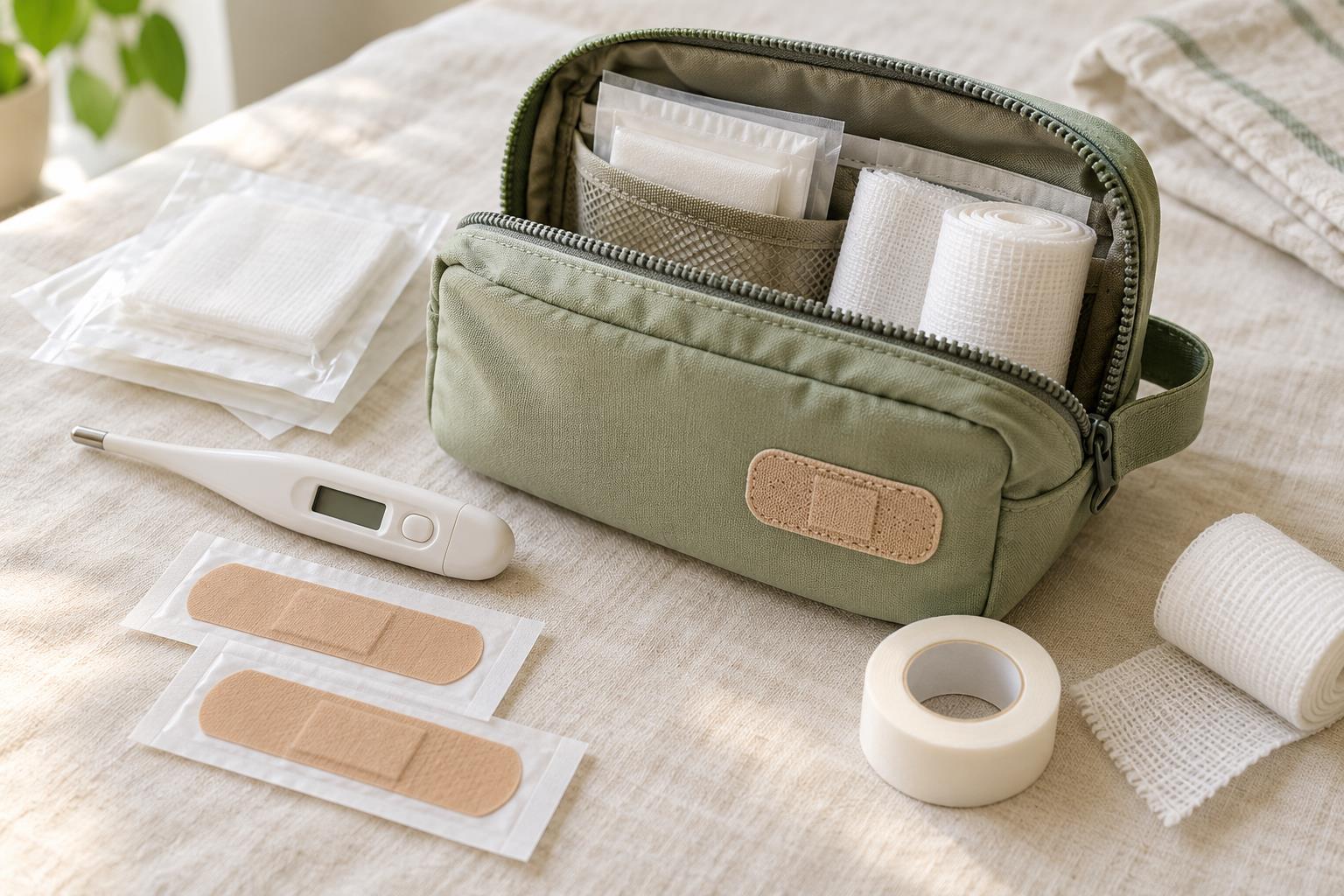
A little context: this note is for adults with mild symptoms. Pregnancy, long-term conditions, or reduced immunity can change what is safe. Ask a professional if you’re unsure.
Let’s start here
A medicine list is useful even when you usually feel well. It saves you from remembering names, strengths, and schedules under pressure when you need advice about a minor illness or a new product. This is general information for adults with mild symptoms. It does not establish a diagnosis, replace your own care plan, or confirm that a symptom is safe to manage at home.
A few small things to try
- Write names, strengths, and schedules from current labels.
- Add supplements and known allergies.
- Update the list whenever treatment changes.
Include the whole picture
List prescriptions, nonprescription medicines, vitamins, and supplements, with the strength and usual schedule where applicable. Record known medicine allergies separately and describe the reaction if you know it. Include the date the list was updated so an old copy is easier to recognize.
Keep it accessible and private
Store a copy where you can find it during an appointment or urgent call, and share it with a trusted helper if appropriate. Update it after a prescribed change rather than adding a loose note that may be lost. Do not change regular treatment simply because a new list reveals that the routine is complicated.
A couple of things to skip
- Avoid listing only brand nicknames or tablet colors.
- Avoid sharing the list publicly where personal details are exposed.
When to ask for help
Ask a pharmacist or clinician about unclear instructions or possible interactions. A suspected overdose needs prompt poison-service or urgent medical advice. Breathing difficulty, collapse, or sudden severe reaction after medicine requires emergency care.
If symptoms are severe or rapidly worsening, use your local emergency service. A little more on getting help.
A little further reading
- MedlinePlus: Using over-the-counter medicines safely ↗
- MedlinePlus: Keeping your medicines organized ↗
These links provide background and further reading. Citing an organization does not mean it endorses Wellnote or has reviewed this article. Content is AI-assisted and has not received independent clinical review. How these notes come together.
take good care of yourself. ♡