
Cleaning and storing a household thermometer
Keep the device ready for use by following its own cleaning and storage instructions.
A little context: this note is for adults with mild symptoms. Pregnancy, long-term conditions, or reduced immunity can change what is safe. Ask a professional if you’re unsure.
Let’s start here
A thermometer often stays in a drawer until someone is ill. Checking it while you are well makes it less likely that you will find a dead battery, unreadable instructions, or a device that has not been cleaned properly. This is general information for adults with mild symptoms. It does not establish a diagnosis, replace your own care plan, or confirm that a symptom is safe to manage at home.
A few small things to try
- Locate the cleaning instructions.
- Check the battery and required supplies.
- Store the device and instructions together.
Follow the device-specific method
Read how the probe or surface should be cleaned and whether any part may be immersed. Different thermometers tolerate different products, so do not assume a strong household cleaner is suitable. If disposable covers are required, keep the correct type with the device and follow instructions about replacement.
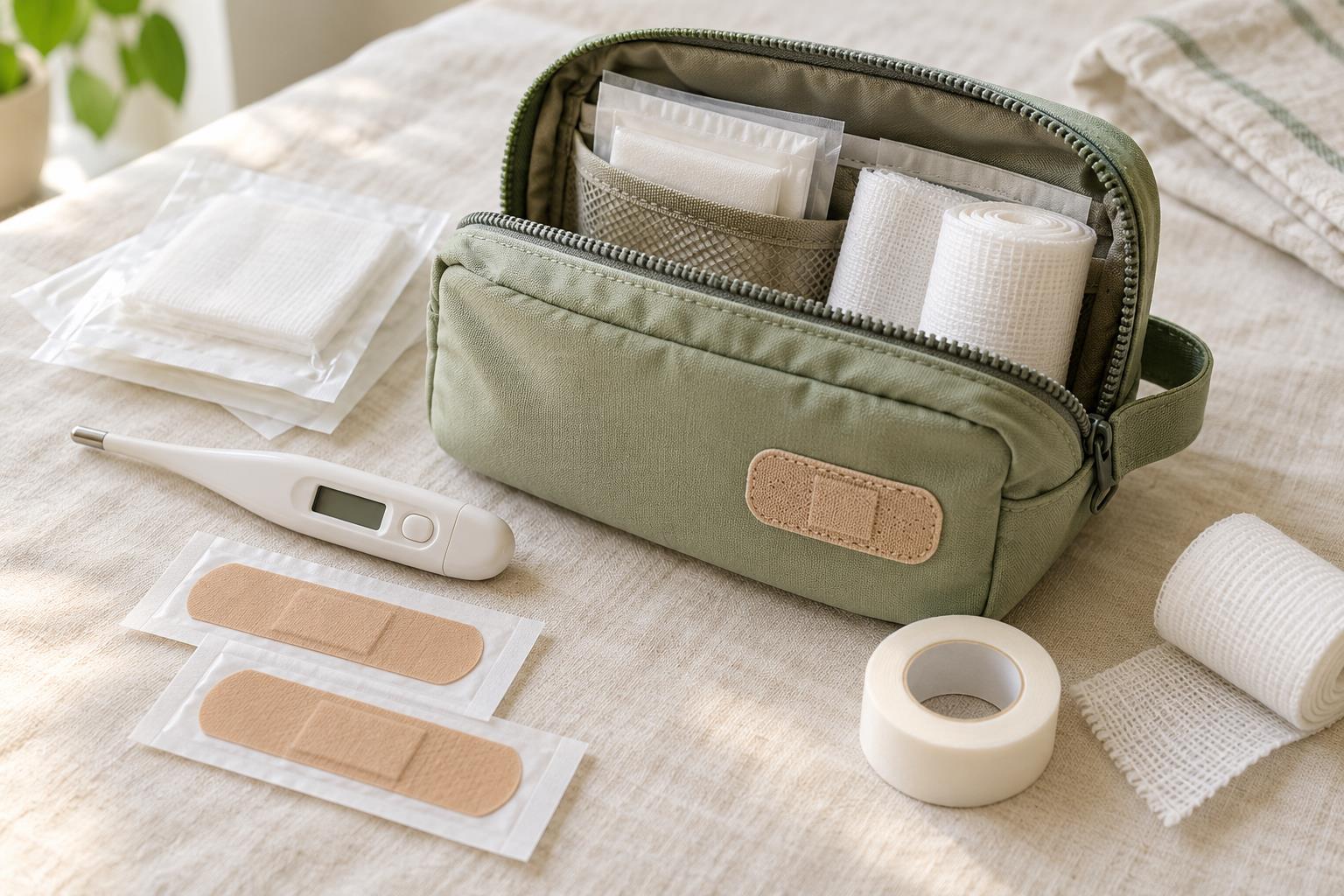
Store it as a small kit
Keep the thermometer, instructions, and any necessary covers together in a clean, dry place. Check batteries according to the manufacturer's guidance. If different devices are used for different body sites, label them clearly. Store the kit out of children's reach and inspect it before use rather than relying on its previous reading.
A couple of things to skip
- Avoid immersing an electronic thermometer unless explicitly permitted.
- Avoid sharing a device without appropriate cleaning and use precautions.
When to ask for help
Ask a pharmacist if the device is damaged or readings are unreliable. Do not delay medical care while troubleshooting a thermometer when someone has severe symptoms. Confusion, breathing difficulty, or difficulty waking requires urgent emergency assessment.
If symptoms are severe or rapidly worsening, use your local emergency service. A little more on getting help.
A little further reading
These links provide background and further reading. Citing an organization does not mean it endorses Wellnote or has reviewed this article. Content is AI-assisted and has not received independent clinical review. How these notes come together.
take good care of yourself. ♡