
Planning a small sick-day supply shelf
Keep a few useful supplies organized so a mild illness creates fewer errands.
A little context: this note is for adults with mild symptoms. Pregnancy, long-term conditions, or reduced immunity can change what is safe. Ask a professional if you’re unsure.
Let’s start here
A small supply shelf can make a mild illness easier to manage, especially if you live alone. The aim is to keep useful basics accessible, not to build a collection of medicines for every possible symptom. This is general information for adults with mild symptoms. It does not establish a diagnosis, replace your own care plan, or confirm that a symptom is safe to manage at home.
A few small things to try
- Choose a small set of practical supplies.
- Check instructions, batteries, and expiry dates.
- Keep care contacts and personal plans accessible.
Start with ordinary needs
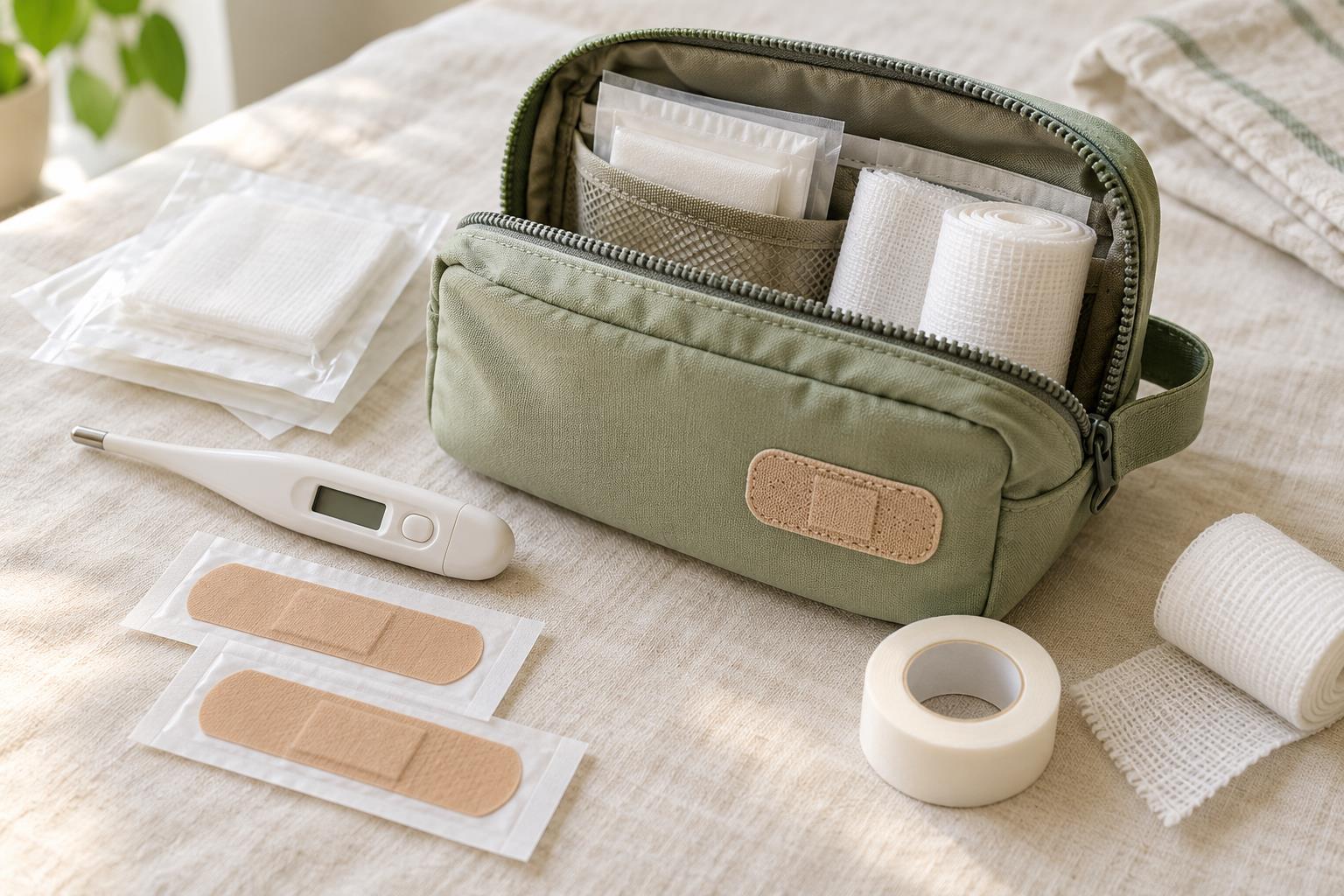
Consider tissues, a thermometer with instructions, simple food options, and information about local healthcare and pharmacy services. Include only medicines that are appropriate for you and that you understand how to use. Keep labels intact and check expiry dates periodically. Store medicines securely rather than leaving them within reach of children or visitors.
Make the shelf easy to maintain
Group items in a clearly labeled area and replace used supplies during ordinary shopping. Keep a short list of what is available so you do not buy duplicates while unwell. If you have a long-term condition, include your personal sick-day instructions and relevant contact details separately from general supplies.
A couple of things to skip
- Avoid stockpiling multiple overlapping cold medicines.
- Avoid storing medicines where children or pets can reach them.
When to ask for help
Seek early advice if illness affects a long-term condition or essential treatment. Severe breathing difficulty, chest pain, confusion, or collapse requires emergency care. A possible medicine overdose needs immediate poison-service or urgent medical advice.
If symptoms are severe or rapidly worsening, use your local emergency service. A little more on getting help.
A little further reading
- MedlinePlus: Storing your medicines ↗
- MedlinePlus: Using over-the-counter medicines safely ↗
- MedlinePlus: Temperature measurement ↗
These links provide background and further reading. Citing an organization does not mean it endorses Wellnote or has reviewed this article. Content is AI-assisted and has not received independent clinical review. How these notes come together.
take good care of yourself. ♡