When a friction blister opens on its own
An accidentally opened blister needs gentle care because the raw surface is now exposed.
A little context: this note is for adults with mild symptoms. Pregnancy, long-term conditions, or reduced immunity can change what is safe. Ask a professional if you’re unsure.
Let’s start here
An accidentally opened blister needs gentle care because the raw surface is now exposed. Preserve the remaining skin rather than trying to make the area look tidy.
A few small things to try
- Clean gently with washed hands
- Leave attached blister skin in place
- Cover and remove the source of friction
Remove friction first
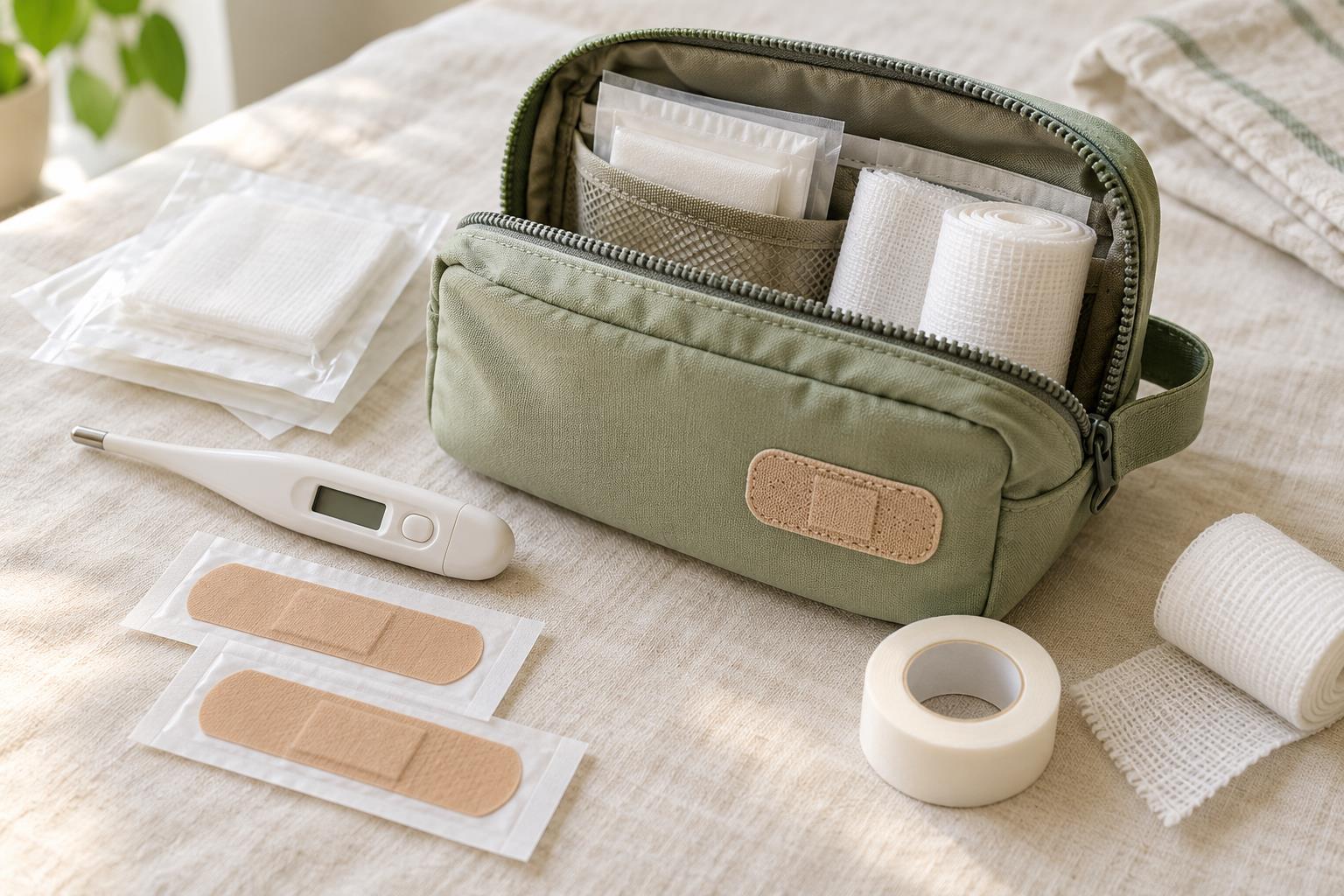
Wash your hands, clean the area gently and let any fluid drain without squeezing. Leave the skin roof in place if it remains attached. Apply a clean non-stick dressing and remove the rubbing or pressure that caused the blister; a dressing cannot compensate for continuing the same friction.
Follow-through and limits
Check protection after walking, washing or gripping equipment. Replace it when dirty or wet according to its instructions. A growing painful area, pus or warmth should prompt advice. Do not use a blister product on an infected wound without checking with a pharmacist or clinician first.
An ordinary friction blister follows rubbing at a clear pressure point. Protect the roof of skin and remove the cause of friction while it heals. A pharmacist can help choose padding or a suitable dressing. If you have diabetes or reduced sensation in your feet, obtain individual advice early.
A couple of things to skip
- Do not deliberately pop a blister or cut away its skin roof.
- Do not keep wearing the footwear or equipment that caused the rubbing.
When to ask for help
Seek prompt advice for pus, spreading warmth or redness, increasing swelling, severe pain or fever. Unexplained clusters, repeated blisters, or blisters on the eyes, mouth or genitals need assessment. Blisters caused by burns, sunburn or an allergic reaction also need advice.
If symptoms are severe or rapidly worsening, use your local emergency service. A little more on getting help.
A little further reading
These links provide background and further reading. Citing an organization does not mean it endorses Wellnote or has reviewed this article. Content is AI-assisted and has not received independent clinical review. How these notes come together.
take good care of yourself. ♡