Packing a practical sun-protection bag
A beach trip or outdoor event is easier to manage when sun protection is part of packing.
A little context: this note is for adults with mild symptoms. Pregnancy, long-term conditions, or reduced immunity can change what is safe. Ask a professional if you’re unsure.
Let’s start here
A beach trip or outdoor event is easier to manage when sun protection is part of packing. The useful items are those you can reach and use.
A few small things to try
- Check sunscreen expiry and quantity
- Pack hat, clothing and sunglasses
- Arrange shade and water access
Plan practical skin protection
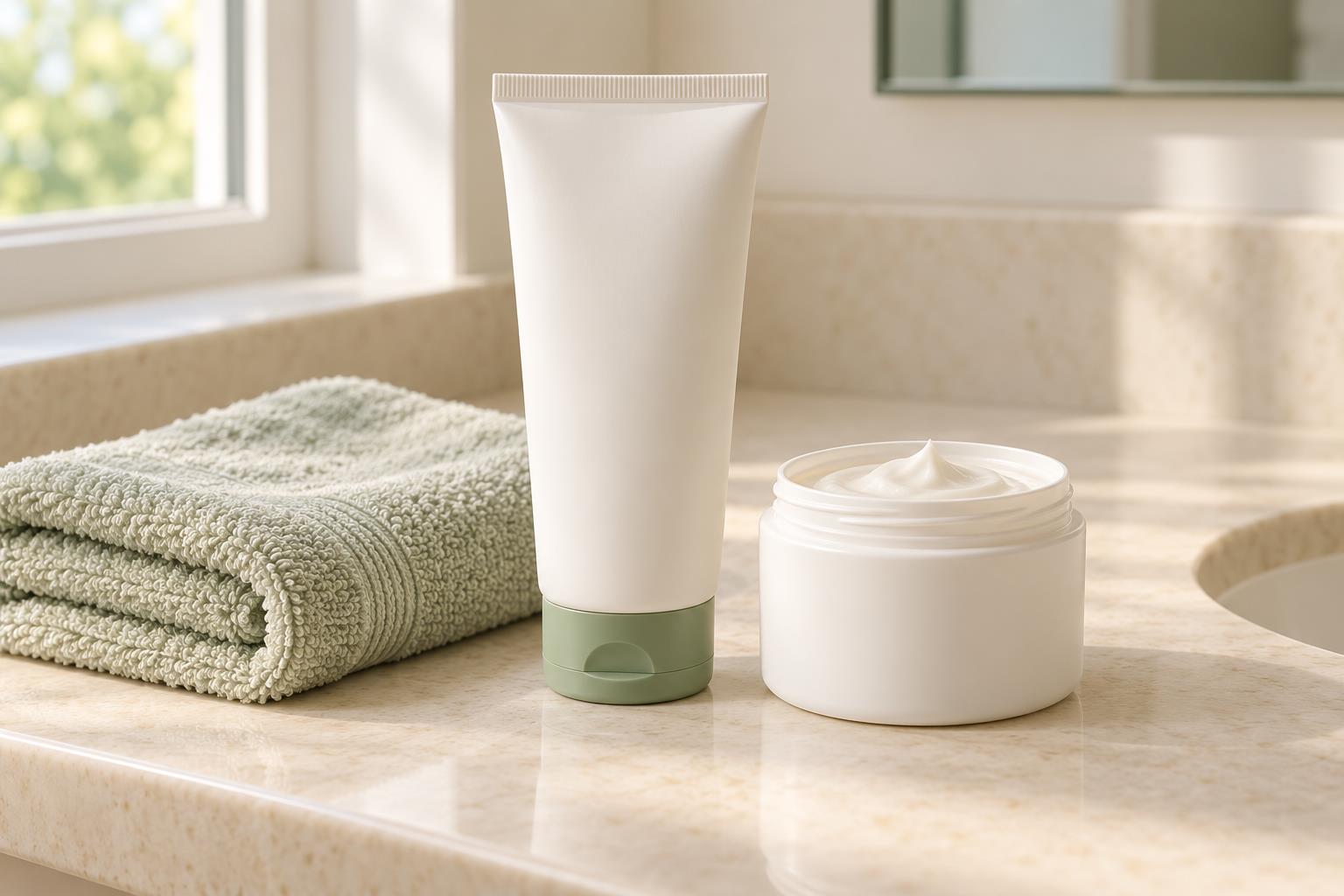
Bring a hat, covering clothing, UV-protective sunglasses and a suitable sunscreen in enough quantity for the outing. Check the expiry date and storage instructions. Choose a bag pocket that keeps the sunscreen accessible, because a product buried beneath equipment is easy to forget at reapplication time.
Follow-through and limits
Plan shade and drinking-water access before arriving, especially for a long event. Set a reminder if you tend to lose track of time, while also following the sunscreen label after swimming or sweating. If someone becomes dizzy, confused or unwell in the heat, change the plan and seek help.
Mild sunburn means tender skin without blisters or illness. Move out of sunlight, cool gently and protect the area until it heals. Skin colour alone does not show severity on every skin tone; tenderness, warmth and swelling matter too. A tan does not make future exposure safe.
A couple of things to skip
- Do not use ice directly, pop blisters or pull peeling skin away.
- Do not continue sunbathing or use a tanning bed while skin recovers.
When to ask for help
Get prompt medical advice for blistering or swelling, fever, headache, dizziness, sickness or cramps after sun exposure. Confusion, collapse or suspected heatstroke is an emergency. A new or changing skin lesion needs a clinician even if it is not painful.
If symptoms are severe or rapidly worsening, use your local emergency service. A little more on getting help.
A little further reading
These links provide background and further reading. Citing an organization does not mean it endorses Wellnote or has reviewed this article. Content is AI-assisted and has not received independent clinical review. How these notes come together.
take good care of yourself. ♡