
Choosing moisturizer for acne-prone skin
Having spots does not mean the skin cannot also feel dry.
A little context: this note is for adults with mild symptoms. Pregnancy, long-term conditions, or reduced immunity can change what is safe. Ask a professional if you’re unsure.
Let’s start here
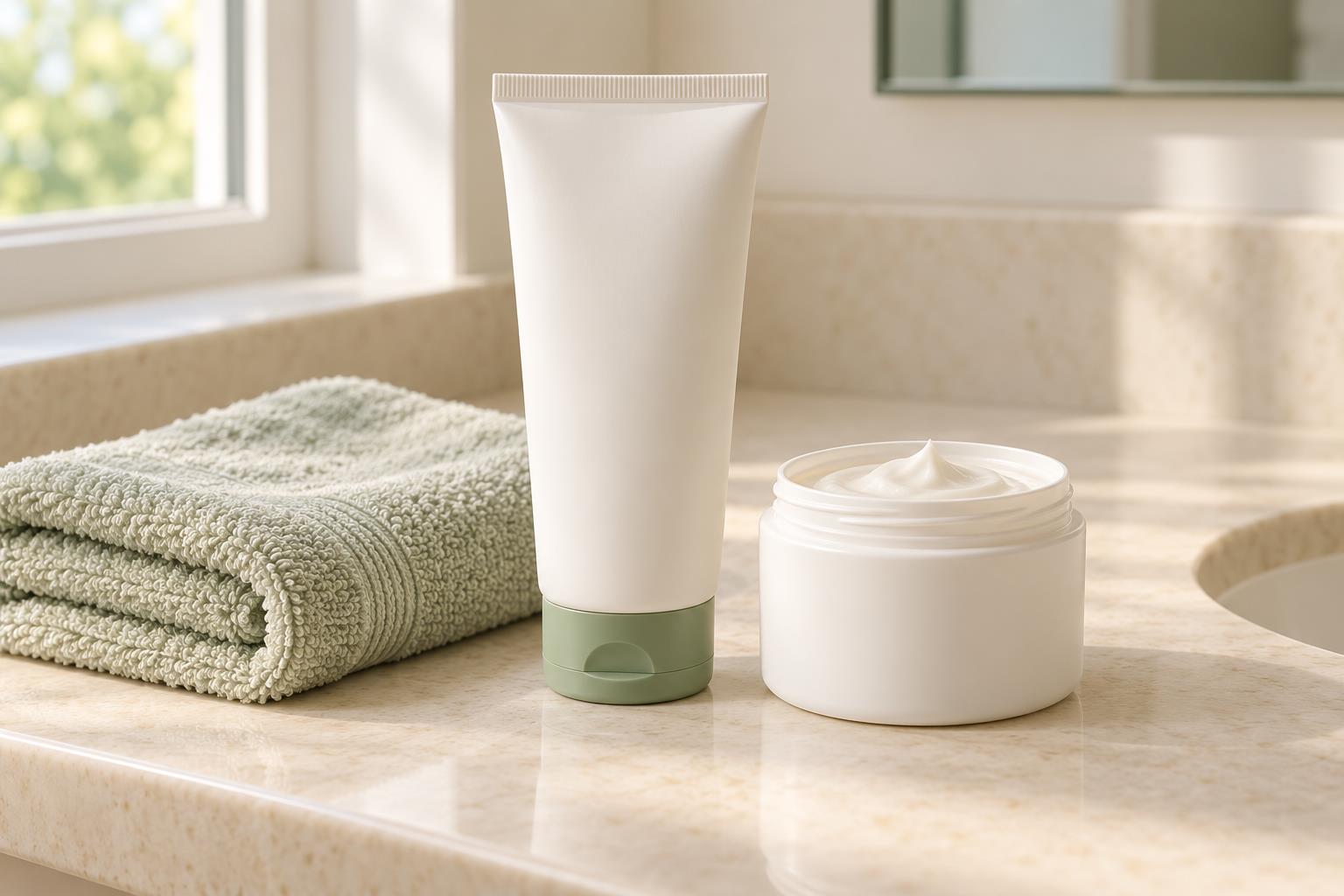
Having spots does not mean the skin cannot also feel dry. A suitable moisturizer can support comfort, especially when an acne treatment causes mild dryness.
A few small things to try
- Read suitability and ingredient labels
- Introduce one moisturizer at a time
- Discuss significant irritation with a professional
Build a gentle routine
Look for a product labelled non-comedogenic or suitable for acne-prone skin, with a simple texture you tolerate. Introduce one product at a time and use it according to its directions. A heavy fragrance or cooling sensation is not necessary, and a higher price does not establish better suitability.
Follow-through and limits
Notice the distinction between expected mild dryness and a reaction. Pronounced burning, swelling or a spreading rash should prompt stopping the new product and seeking advice. If prescribed acne treatment is uncomfortable, contact the prescriber rather than repeatedly changing every other part of the routine on your own.
Mild acne care works best as a steady routine rather than a series of harsh experiments. Keep washing gentle and avoid picking. A pharmacist can discuss an appropriate treatment and its instructions; pregnancy, pregnancy planning, sensitive skin and other medicines affect what is suitable.
A couple of things to skip
- Do not squeeze spots or scrub skin until it feels tight.
- Do not combine several new acne actives or use someone else’s prescription.
When to ask for help
Arrange medical advice for deep painful lumps, scarring, substantial distress or acne that is not improving with an appropriate consistent routine. Sudden severe swelling, a rapidly spreading painful rash or breathing difficulty after a product requires urgent or emergency care.
If symptoms are severe or rapidly worsening, use your local emergency service. A little more on getting help.
A little further reading
These links provide background and further reading. Citing an organization does not mean it endorses Wellnote or has reviewed this article. Content is AI-assisted and has not received independent clinical review. How these notes come together.
take good care of yourself. ♡