Your first evening with a mild cold
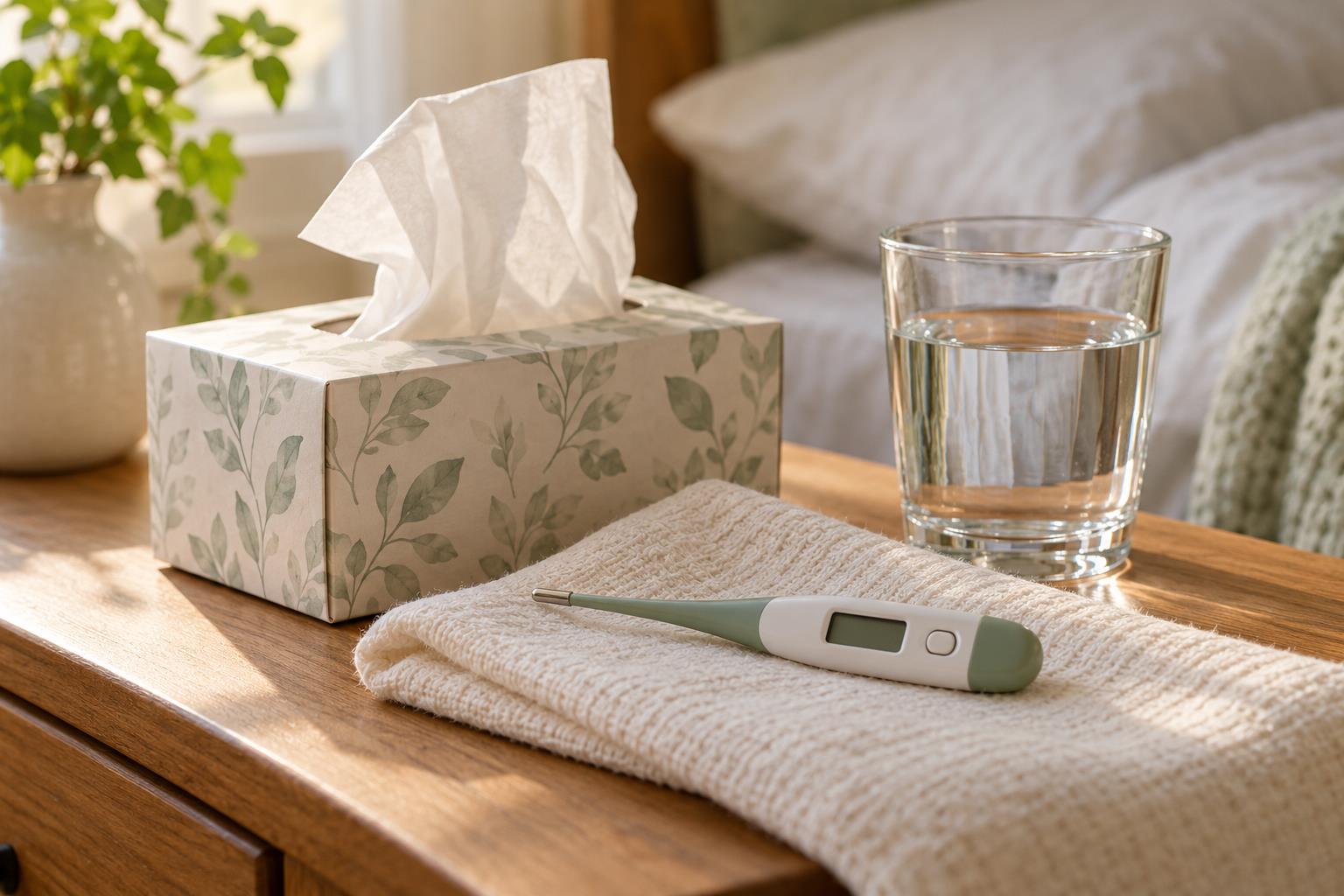
Make the first evening simpler with rest, comfortable drinks, and a clear symptom check.
2 min · a little readOpen note
 wellnote.small health tips, shared simply
300 practical notes on minor illnesses, small injuries, and everyday symptom care.
300Make the first evening simpler with rest, comfortable drinks, and a clear symptom check.
A heavy evening meal can make familiar reflux harder to settle. Portion size is a practical place to start.
Serve a comfortable first portion.
Tight, itchy skin after bathing can be a sign that your washing routine is taking more moisture away than your skin comfortably tolerates.
Long stretches at a screen can leave eyes feeling dry or tired.
Build breaks into natural task pauses
Pause your routine and reassess a familiar mild headache before adding more demands.
Stop the current task for a brief rest.
Mild stiffness can build during a work session when you stay in one position for a long time.
Focus on the moments that matter and a complete wash rather than hurried rinsing.
Choose a drink you can comfortably swallow without treating it as a cure.
Changing the timing of your last meal may help familiar reflux that appears when you lie down.
Note your usual bedtime.
Frequent handwashing can leave knuckles rough, but reducing necessary hygiene is not the solution.
A desk fan or air-conditioning vent may blow directly across the face for hours.
Identify direct airflow at your desk
A few consistent observations can make recurring headaches easier to discuss with a clinician.
A screen that makes you crane forward or twist can add to an uncomfortable working day.
Centre the main task.
Choose a suitable product and use it as directed until your hands are dry.
An adult who can gargle safely may use a simple warm salt-water rinse for comfort.
Use an ordinary glass and measure the salt.
A short symptom diary can be more useful than removing every food commonly blamed for heartburn.
Write down meals and symptoms.
Doing the dishes can expose already dry hands to water and cleaning products for much longer than a quick handwash.
Choose intact gloves suitable for cleaning
A screen that sits too high can encourage an awkward gaze and posture during a long work session.
Look at how often you need relief, not just whether an individual dose helps.
Mark medicine-use days on a calendar.
A keyboard placed too far away can make typing feel more effortful than it needs to.
Move the keyboard closer.
Keep the handwashing area simple, stocked, and ready for the next person.
Clear unnecessary items from the immediate sink area.
Adapt the texture and temperature of familiar meals to make mild throat discomfort easier.
A waistband that presses into your abdomen can be uncomfortable when you already have familiar reflux.
A crowded skin-care shelf can make it harder to identify what helps dryness.
Some people notice gritty eyes after spending a day in cooled indoor air.
Move away from direct cooling vents
Make ordinary meals easier to keep when a busy schedule disrupts your routine.
Prepare one easy meal before a demanding day.
Hours of small repeated mouse movements can make an already uncomfortable arm harder to rest.
Keep the mouse within easy reach.
Connect respiratory hygiene with the next action you take around shared objects or food.
Reduce unnecessary talking and arrange practical alternatives while a mildly hoarse voice settles.
Eating out can still be enjoyable when occasional heartburn has made large or late meals uncomfortable.
Choose a comfortable portion.
When the weather turns cold, indoor heating and warmer showers may arrive together.
The eye-care shelf contains products for different purposes.
Describe symptoms and lens use when asking advice
Include coffee, tea, and energy drinks when reviewing recurring headaches or poor sleep.
Track caffeinated drinks for several ordinary days.
Phone use after work can continue the same repetitive hand activity that already made the day uncomfortable.
Plan a convenient hand-cleaning opportunity before food arrives or you begin eating.
Plan a lighter speaking workload when mild hoarseness makes professional voice use uncomfortable.
Occasional symptom relief can become a habit that hides how often heartburn is happening.
List all medicines and supplements.
Mild dryness often gets neglected during a busy day.
A useful eye drop can become contaminated if the tip touches fingers, eyelashes or another surface.
Wash and dry hands first
A brief workload adjustment can make a familiar mild headache easier to monitor.
A mildly uncomfortable wrist is a prompt to review the activity before it becomes a daily obstacle.
Reduce the aggravating task.
Use the ingredient panel to understand what a nonprescription medicine actually contains.
A simple saline spray may be easier to manage than adding another medicated cold product.
Ask whether the bottle is saline or a decongestant.
Eating quickly can increase swallowed air and make a short lunch feel less comfortable afterward.
Sit for the start of lunch.
A patch under jewellery may be exposed to trapped water, soap or friction.
Take the item off to clean and dry
Reading on a phone, direct ventilation and disrupted routines can make familiar dry eyes more noticeable while travelling.
Use task transitions to make brief breaks from concentrated screen work more realistic.
Choose two reliable task transitions as break cues.
Long calls are more comfortable when your neck does not have to hold a handset in place.
Choose a comfortable call setup.
Read suitability and interaction warnings before deciding that an over-the-counter product fits you.
Read the warnings before opening a new product.
Use water prepared specifically for nasal rinsing and follow the device instructions every time.
Fizzy drinks are one practical variable to examine when belching makes meals uncomfortable.
Travel can interrupt your usual routine and expose you to dry cabin air.
A brief record can make an eye appointment more useful when dryness comes and goes.
Record timing and one-sided or two-sided symptoms
Compare the pattern before relying on your usual comfort measures.
Compare onset, severity, and accompanying symptoms.
A laptop used on a sofa or low table can make a short task turn into prolonged neck discomfort.
Choose a stable work surface.
Clarify the interval and daily limit instead of guessing when another dose is allowed.
Make cleaning and drying part of the rinse routine rather than an afterthought.
Frequent chewing or sucking on sweets may matter when swallowed air contributes to uncomfortable gas.
Identify when the habit happens.
A new moisturizer, cleanser or cosmetic can leave a mild stinging sensation.
A lens that feels uncomfortable is a reason to remove it, not an invitation to keep blinking until the feeling disappears.
Remove uncomfortable lenses with clean dry hands
Bring the few details that help explain the problem and its impact.
Choose three representative headache episodes.
Standing can be a useful alternative to sitting, but remaining still in either position may become uncomfortable.
Measure liquid medicine with the device intended for that product and dose.
Check the label and track consecutive days before a short-term nasal spray becomes a habit.
A concise record can help explain repeated bloating without turning every meal into an investigation.
Record timing and bowel habits.
Elbows often meet desks, clothing and rough surfaces throughout the day.
Mild eye dryness can occur on its own, but persistent dryness in both the eyes and mouth is useful information for a clinician.
Record when both symptoms started
Use a consistent morning anchor instead of repeatedly shifting the whole sleep schedule.
Knitting, crafting, music, and gaming can add to hand strain even when they are enjoyable activities.
Shorten long sessions.
Use one visible record when symptoms and fatigue make dose times harder to remember.
Check active ingredients before combining a cold remedy with anything you already take.
List today's medicines and the times taken.
Beans can be a useful food, but a sudden large increase may make gas more noticeable.
Start with a modest portion.
Licking dry lips can feel soothing for a moment, then leave you reaching for relief again.
Keep plain lip care within reach
Clean hands are the first step of lens care, but drying matters too.
Use a few repeatable cues to make the transition toward bedtime less abrupt.
Choose a realistic start for winding down.
Waking with a mildly stiff neck can make the first part of the day awkward.
Move gently within comfort.
A single current list makes pharmacy visits and unexpected medical care easier.
Write names, strengths, and schedules from current labels.
Bring a short timeline and medicine list so the pharmacist can give more relevant advice.
Some sugar-free sweets and snack products contain ingredients that can contribute to gas or loose stools.
A windy walk can leave lips uncomfortable even when the temperature is mild.
Swimming, showering and soaking in a hot tub expose lenses to water that is not a lens disinfectant.
Remove lenses before water activities
Reduce bedtime interruptions with a practical place for your phone and a clear stopping point.
Choose a phone parking spot before bedtime.
The useful question about a pillow is whether it supports a comfortable head and neck position during sleep.
Check alignment in your usual position.
Follow the package instructions and choose storage that protects medicines and limits accidental access.
A small bedside or desk setup makes respiratory hygiene easier to maintain.
Bloating after dairy is worth observing, but it does not by itself establish lactose intolerance.
Note the specific food and amount.
Some lip products advertise a cool or tingling feel.
Reusing yesterday's solution can feel economical, but topping up a case is not a complete cleaning routine.
Discard used solution
Move practical reminders onto paper so they do not need to be rehearsed repeatedly at bedtime.
Set a brief planning time before winding down.
An easy head turn can be a simple movement break when stiffness is mild and there has been no injury.
A periodic check can prevent a late-night search through expired or unidentified products.
Use a practical stay-home plan and follow local guidance before returning to shared activities.
Poorly fitting dentures may affect chewing and increase air swallowing during meals.
Notice movement or sore spots.
A shallow crack from dry lips can reopen when you talk or eat.
A lens case needs care as well as the lenses it holds.
Clean the case with the proper solution
Identify the main interruption before making small changes to the sleep environment.
Gentle warmth may feel soothing for a mildly tense neck when there has been no fresh injury.
Use mild warmth through fabric.
Use a local medicine-return route or the product's approved disposal instructions.
Make shared living more manageable with a considerate plan for rest and contact.
Agree on a resting space and shared-room routine.
A gentle walk can be a pleasant way to change position when mild fullness follows a meal.
Choose a short easy route.
Waking with dry lips can make mornings uncomfortable.
Apply a comfortable lip moisturizer before bed
Unexpectedly staying out can turn a normal lens schedule into excessive wear.
Use manageable changes to make nighttime darker and mornings easier to organize.
Identify one unnecessary nighttime light source.
A stiff neck can affect driving safety even when the discomfort itself seems mild.
Assess movement before the journey.
A few readable photos can help a pharmacist identify the exact product you are asking about.
Take close, readable photos of relevant panels.
A short daily note can show progress more clearly than repeatedly checking your nose.
A predictable, unhurried bathroom opportunity may help when a disrupted routine contributes to occasional constipation.
A shallow kitchen cut can usually be managed with basic supplies if bleeding stops and the wound is clean.
A lens can feel comfortable even when it has reached the end of its intended use.
Record the date a pair is opened
Adjust bedding and the room gently instead of chasing a perfect sleep temperature.
Change one layer or room setting at a time.
For mild lower-back discomfort without warning signs, a manageable amount of normal movement is often useful.
Choose one tolerable ordinary task.
Describe the symptom, the timeline, and your medicines before choosing a product.
Use a simple exposure note to discuss recurring seasonal symptoms more clearly.
Some people find a supported toilet position more comfortable when passing a hard stool.
Choose a stable support.
A small graze after a stumble can collect grit across a wider surface than its depth suggests.
A trip changes the bathroom, schedule and supplies around your lens routine.
Pack glasses and complete care supplies
Use a quiet reset instead of repeatedly checking the time and forcing sleep.
Put the clock or phone out of immediate view.
Breaking a job into smaller parts may let you stay active without turning one chore into a painful marathon.
Pack familiar essentials matched to your trip and your own health needs.
Use local forecasts and a flexible schedule to reduce avoidable pollen exposure.
A small breakfast change can be easier to maintain than a sudden overhaul for occasional constipation.
Choose one manageable breakfast change.
A dressing protects a shallow wound only while it stays clean, secure and comfortable.
An uncomfortable red eye in a contact lens wearer deserves prompt attention.
Remove the lens promptly
Track broad patterns and daytime effects while avoiding constant overnight monitoring.
A little preparation can reduce awkward handling when you need to move an everyday object.
Clear the route and destination.
Confirm destination requirements early for prescriptions and nonprescription products.
Keep the transition indoors simple when pollen is a familiar trigger.
Prepare indoor clothes before going out.
Whole-grain foods can support a varied diet, but a gradual switch may be more comfortable for your bowel.
Change one grain food.
A small finger wound can reopen when tools, keyboards or cleaning tasks repeatedly press against it.
Cover the wound comfortably
A familiar small mouth ulcer can make meals unexpectedly painful.
Review alcohol use when it becomes part of an attempt to manage poor sleep.
Record alcohol timing alongside sleep notes.
Mild back soreness can make settling into bed difficult, even when you are ready to rest.
Use a comfortable supported position.
Plan for delays and baggage problems while following the medicine's storage requirements.
Keep essential supplies accessible during the journey.
Plan drying and storage around a known pollen trigger without adding unnecessary chores.
Adding fiber while forgetting drinks can make a new bowel routine harder to manage.
Paper cuts are often shallow but awkwardly placed.
A painful spot can make you want to skip cleaning the mouth.
Use a soft brush and light pressure
Ask about suitability, duration, and next steps before using a nonprescription sleep product.
Bring your medicine and supplement list.
A small activity record can show whether mild back discomfort is improving in practical ways.
Choose a couple of meaningful tasks.
Get product-specific timing advice before a trip changes your usual daily schedule.
Choose a few practical bedroom changes based on your known triggers.
Travel can change meal times, movement, and bathroom access, all of which can disrupt a familiar bowel routine.
Plan food and safe water access.
A healing cut still needs ordinary cleanliness, but prolonged soaking and rough washing can disturb the surface.
A simple salt-water rinse may make a small ulcer more comfortable for some adults.
Mix a mild rinse in a clean glass
Plan the week so sleep is not repeatedly squeezed by avoidable last-minute tasks.
Mark the week's earliest starts and latest commitments.
After a small twist, stop the activity and decide whether the injury needs assessment before trying home care.
Save the information you would need if a minor problem became harder to manage abroad.
A short conversation before a visit can help you plan around a known animal trigger.
Repeatedly delaying a bowel movement can become part of an uncomfortable constipation routine.
Notice what makes you postpone.
It is normal to pay attention to a new cut.
Accidentally biting the inside of the cheek can leave a small tender area.
Eat slowly with smaller bites
Try comfortable, unforced breathing as a brief way to settle during ordinary stress.
A cold pack can provide short-term comfort after a minor soft-tissue injury when used carefully.
Put fabric between pack and skin.
Use ordinary access and routine cues to support regular fluid intake.
Discuss drowsiness and your schedule before starting an antihistamine.
Tell the pharmacist about driving and other medicines.
A new medicine or supplement can be relevant when your bowel routine changes.
Make a complete product list.
A few clean supplies can make a small cut easier to manage during an ordinary outing.
Pack clean sealed dressings and gauze
A sore spot near braces or dentures may keep being irritated by contact.
A brief pause works best when it fits the real day and leads to one manageable next step.
Choose a reliable cue for a short break.
Raising an ankle after a minor injury can be part of a comfortable rest period.
Support the leg comfortably.
Make comfortable drinks accessible and notice when illness is interfering with intake.
Place a comfortable drink within reach.
Use the exact instructions and a practical reminder instead of changing the schedule yourself.
A day spent almost entirely sitting can make it harder to maintain a comfortable daily routine.
A new pair of shoes can create a sore patch during a short outing.
Occasional familiar ulcers can be inconvenient, while repeated or unusually severe episodes deserve a review.
Record start and healing dates
A short written sort can reduce the feeling that everything must happen at once.
Write the tasks currently competing for attention.
A bandage may support a minor sprain, but tightness and fit matter more than how firmly it looks wrapped.
Get advice on the correct support.
Plan water access and bottle care instead of relying on a last-minute purchase.
Use a simpler environment if smoke or fragrance makes an already irritated nose worse.
Bowel frequency varies, so comfort and a change from your normal pattern matter more than a daily target.
Note your normal pattern.
Hot spots in the feet are an early warning during a hike or sightseeing day.
Most small familiar ulcers improve, but a persistent sore needs examination.
Record the first-noticed date
A simple closing routine can help keep unfinished work from filling the entire evening.
Write tomorrow's first work action.
Once acute discomfort allows, comfortable movement can help avoid unnecessary stiffness during recovery.
Use your personal care plan and ask for advice before changing fluid intake.
Shorten the conversation and make swallowing comfort part of your work setup.
A pharmacist can help when occasional constipation has not improved with practical routine changes.
Explain symptoms and medical history.
An accidentally opened blister needs gentle care because the raw surface is now exposed.
Daily brushing is easier to maintain when it belongs to a dependable routine.
Brush before bed and once more daily
Make a request specific enough that another person can understand what would help.
Returning to walking is easier to judge when you increase one demand at a time.
Choose a short flat route.
Follow the device instructions and record how the temperature was measured.
Record duration and changes so a cough that is not settling can be assessed appropriately.
Note the date the cough began.
With a brief bout of diarrhea, replacing lost fluid is a more useful priority than trying to eat perfectly.
Take frequent comfortable sips.
Repeated gripping can create a blister on the palm even through a short gardening session.
Stop the repeated gripping
A toothbrush does not reach every space between teeth.
Choose a simple recording and treat it as an optional aid rather than a performance.
Select a short recording before the rest period.
A small bruise after a remembered bump may be monitored, but the surrounding symptoms matter.
Protect the bruised area.
Keep the device ready for use by following its own cleaning and storage instructions.
Locate the cleaning instructions.
Do not let a usual hay-fever label hide a different or worsening illness.
An oral rehydration sachet needs the stated amount of safe water to work as intended.
Padding can reduce contact with a friction blister, but the shape and fit matter.
Mouthwash can feel refreshing, but it does not replace brushing or cleaning between teeth.
Use mouthwash at a separate time from brushing
Plan a safer, lighter day when poor sleep leaves you less alert than usual.
Review driving and other safety-sensitive plans first.
Mild muscle soreness after an unfamiliar activity can be a signal to lower the next day's demand.
Reduce the next session's intensity.
A few meaningful readings and symptom notes are more useful than repeated anxious measurements.
Keep recovery practical by separating essential tasks from activities that can wait.
When appetite returns after diarrhea, you can usually begin with foods you feel able to eat.
Try a small familiar meal.
A small itchy bump after a mosquito bite can be distracting, especially at night.
The most useful toothbrush is one that lets you reach and clean all tooth surfaces consistently.
Choose a head that reaches back teeth
Use the effect on everyday life as a reason to seek help for persistent sleep or stress problems.
List two everyday activities affected by the problem.
Restful sleep is a practical part of recovering from a demanding day or unfamiliar exercise.
Keep a few useful supplies organized so a mild illness creates fewer errands.
Bring a concise record when cold-like symptoms are lasting longer or getting worse.
A short record helps you decide when to seek advice and explain the situation clearly.
Write the start time.
A sting can cause localized pain and swelling.
Travel can disrupt brushing because supplies are packed away or arrival is late.
Pack core supplies where you can reach them
Use a short pause to avoid carrying the tension of one conversation into the next.
A gradual warm-up gives you a chance to notice how your body feels before increasing effort.
Begin at an easy pace.
Arrange a simple way for someone to notice if a mild illness is getting worse.
When vomiting or diarrhea may be infectious, a few household adjustments reduce opportunities for spread.
Wash thoroughly with soap and water.
Scratching an insect bite may briefly distract from itching, then leave the skin more sore.
Keep nails short and clean
Seeing blood while brushing can be unsettling.
Stretching should not become a contest to reach farther, especially when a muscle already feels sore.
Use a stable comfortable position.
Keep the routes to urgent advice clear before a minor problem happens late at night.
Save official local care contacts.
A bathroom used by several people needs extra attention during an episode of vomiting or diarrhea.
A local bite reaction may be noticeable, but swelling that keeps increasing deserves attention.
A dry mouth can make ordinary conversation uncomfortable.
Keep water accessible
New muscle symptoms after starting or changing a medicine are worth discussing with the prescriber.
Record the timing and symptoms.
Organize the beginning, progression, and current impact before speaking to a professional.
A product that slows diarrhea is not automatically appropriate for every stomach upset.
Describe all symptoms before buying.
An evening meal, walk or camping stop can bring insect exposure.
Chewing sugar-free gum may help some adults with mild mouth dryness.
Choose sugar-free gum
A brief familiar cramp may ease when you stop the activity and let the muscle relax.
Consider safe ventilation or suitable filtration as part of a broader prevention plan.
Feeling a little better does not always mean you are ready for a full day of work or exercise.
Resume light tasks first.
An itchy bite may feel most intrusive when the room is quiet and you are trying to sleep.
Waking with a sticky mouth can interrupt sleep.
Keep plain water within reach
Severe muscle symptoms after hard work or exercise should not be dismissed as proof of a good workout.
Stop strenuous activity.
Ask about preferred precautions and postpone close contact when you are unwell.
A large glass can feel overwhelming when your stomach is unsettled; small sips may be easier.
Keep a tolerated drink nearby.
Warm tender skin after sun exposure needs a break from sunlight.
Leave direct sunlight
Dry mouth can begin after a medicine change, but timing alone does not prove the cause.
A previous fitness level is not a reliable starting workload after weeks or months away.
Start below your previous workload.
Store concise information where you can access it without exposing unnecessary personal details.
Create one current location for essential health information.
Strong food smells can make an already unsettled stomach harder to manage.
A few days after mild sunburn, the skin may begin to flake.
Footwear should feel secure and comfortable for the job your feet will do that day.
Check room and secure fit.
Keep condition-specific instructions separate from general tips for minor illness.
An unsettled stomach may tolerate a modest meal better than a large one eaten quickly.
Choose a modest familiar portion.
Sun protection can be uneven when application is rushed.
A long shift on your feet can leave them uncomfortable even without a specific injury.
Check the source, date, and limits before applying an online self-care tip.
A quiet, comfortably ventilated space can make a brief episode of nausea easier to tolerate.
Arrange an upright supported position.
A cool or cloudy day can feel comfortable while still allowing ultraviolet exposure.
A mildly sore heel may benefit from a temporary reduction in the activity that repeatedly provokes it.
Reduce the provoking activity.
A short recovery note can make the next episode easier without creating a self-diagnosis.
The timing of a new medicine can be a useful clue when nausea appears unexpectedly.
Record the medicine and symptom timing.
A bag or clothing strap can rub a sunburned shoulder throughout the day.
Remove repeated strap pressure
A longer outing is easier to manage when footwear and the route are checked before you leave.
Use familiar comfortable footwear.
Use the active ingredient, strength, and written instructions when language is a barrier.
Carry the original label and a current medicine list.
Busy work can make it easy to overlook drinks until you feel uncomfortable or thirsty.
A beach trip or outdoor event is easier to manage when sun protection is part of packing.
Foot symptoms deserve a lower threshold for professional advice when diabetes affects sensation, circulation, or healing.
Check feet according to your care plan.
Inspect the product, seal, and label so unexpected differences are noticed before a dose.
Urine colour can offer a rough clue about hydration, but it is not a stand-alone health test.
Consider colour alongside symptoms.
Brief contact with a hot pan can cause a thermal burn.
A seated movement break can be useful when standing exercise is uncomfortable or impractical.
A little planning makes it easier to drink and take breaks when you will be outdoors in warm weather.
Plan water and shaded breaks.
A spilled hot drink can soak clothing and keep heat against the skin.
Small ankle movements can be a comfortable way to interrupt sitting when you cannot get up immediately.
Sit securely with room for your feet.
Hydration can become a practical access problem when standing, walking, or carrying a cup is difficult.
Arrange safe access to drinks.
Once a fresh thermal burn has been cooled, the next task is gentle protection.
Cool the burn before covering
A long journey is easier on the body when you plan opportunities to change position.
Plan safe breaks before departure.
A general instruction to drink more may not suit someone with a prescribed fluid restriction.
A small burn that has been assessed as suitable for home care still needs attention as it heals.
An everyday carrying job can be made easier by changing the task before you pick anything up.
Divide the load into manageable parts.
For ordinary hydration, a convenient tolerated drink matters more than a costly cleansing label.
Choose a familiar suitable drink.
Bumping a shin against furniture can leave a tender mark.
A clear description of the problem helps a professional focus advice on the activities that matter to you.
Long travel days can interrupt drinking and make bathroom access less convenient.
Plan safe water and toilet stops.
Cooling can soothe a small bruise, but too much cold can injure the surface.
A small set of ordinary supplies can make a mild stomach upset easier to manage at home.
Check supplies and labels.
A bruise can remain visible after it becomes much less tender.
Record the injury date and cause
Repeated discomfort can tempt you to remove more foods than your evidence supports.
Rough heels can catch on socks before they become painful.
Specific descriptions can make a medical conversation more useful than simply saying your stomach feels bad.
Describe location and timing.
A dry heel may become more uncomfortable when it repeatedly slides against the back edge of a shoe.
A practical eating schedule may help avoid the cycle of missed meals followed by uncomfortable overeating.
Prepare food for the busiest period.
Dry heels and damp toe spaces can exist on the same foot.
Drinking safely away from home requires attention to the source as well as the amount.
Check current local water guidance.
A sore spot on the sole can go unnoticed when bending is uncomfortable.
Sit safely with good lighting
Alcohol can make it harder to focus on hydration and judge how well you are recovering.
Acne can make skin feel as though it needs constant cleaning.
Mild gas or bowel discomfort can feel more difficult when privacy and breaks are limited.
Plan bathroom and water access.
Having spots does not mean the skin cannot also feel dry.
Herbal and wellness products can contain active ingredients even when they are sold as natural.
Read the full ingredient list.
A visible spot can be hard to leave alone, particularly before a social event.
Useful home care includes a clear point at which you stop experimenting and ask for help.
Review frequency and impact.
Sweat, tight equipment and repeated wiping can leave acne-prone skin irritated after exercise.
Change out of damp clothing
Makeup can fit into an acne-care routine when removal and product choice are gentle.
Breakouts near the hairline can coincide with oily hair or products that contact the skin.
Changing products every few days makes it hard to know what helps.
Small scalp flakes can be annoying without meaning you need an aggressive treatment.
Read the complete shampoo instructions
A medicated shampoo may need to remain on the scalp briefly before rinsing.
Scalp treatment and care for hair lengths can have different needs.
Not every flaky scalp is simple dandruff.
A rushed shave can leave skin sore even without a visible cut.
Soften hair before starting
Skin that is already irritated may need time away from close shaving.
A razor contacts tiny breaks in the skin, so sharing it is not a good shortcut.
Try a different phrase or clear your filters.